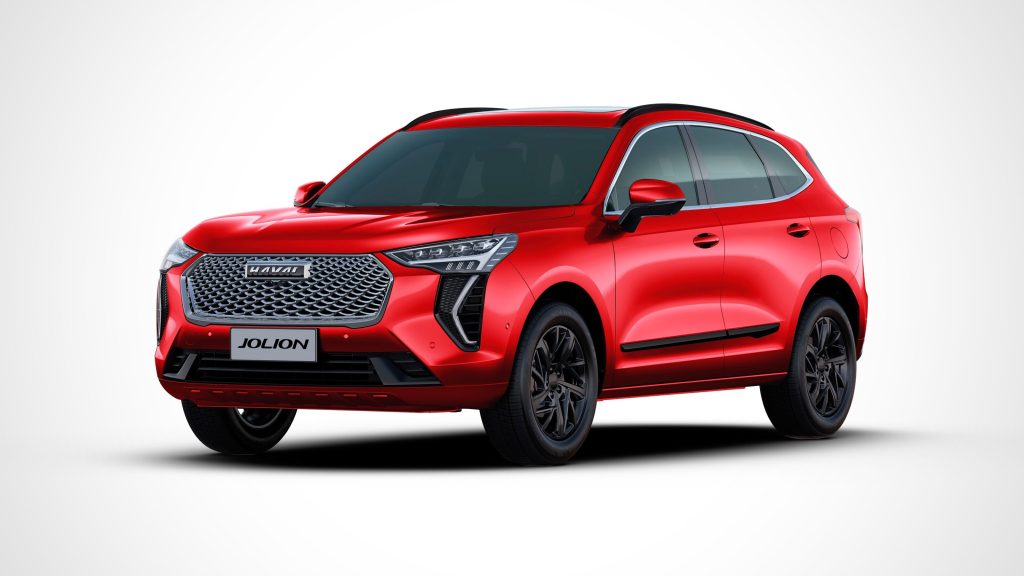
The best new cars you can buy for under R300,000 in South Africa right now
If you have R300,000 to spend on a new car in South Africa, you are no longer shopping in a market where the answer is simply “buy the cheapest thing you can find”.
There are some genuinely good cars available for less than R300,000 in 2026. In fact, the choice is probably better than it has been for some time, with established names such as Suzuki, Toyota, Volkswagen, Hyundai and Kia being challenged by newer products from Chery and Mahindra.
But buying a car isn’t just about the sticker price.
Fuel consumption matters. So does resale value. So does whether you actually like looking at the thing parked in your driveway. And, perhaps most importantly, whether the car still makes sense three or five years down the line.
So we’ve looked at the current South African market and picked the cars we believe offer the best overall proposition for R300,000 or less.
The scoring is based on five areas — price/value, resale, economy, style and practicality/ownership — with each worth two points, giving a maximum score of 10.
And yes, there are a few surprises.

1. Suzuki Swift — 9.4/10
Price: From R228,900
Fuel consumption: From 4.4 L/100 km
Best buy: Swift 1.2 GL+ MT at R250,900
If you want the sensible answer, this is probably it.
The Suzuki Swift has become something of a South African institution, and the latest version does little to change the formula that made the previous generation so popular.
The entry-level Swift starts at R228,900, while the GL+ manual is R250,900 and the GL+ CVT is R270,900. Even the GLX CVT sneaks in at R296,900. All use Suzuki’s 1.2-litre engine, with claimed consumption from just 4.4 L/100 km.
The other big advantage is resale.
Suzuki dominates the affordable end of the South African market, and the Swift has become one of the country’s most popular passenger cars. In 2025 it was the second-best-selling passenger car in South Africa, behind the Polo Vivo, with 23,921 units sold.
That matters because buying a cheap car that nobody wants in five years isn’t actually cheap.
The Swift also comes with six airbags, ABS with EBD and a five-year/200,000 km warranty, while the current model has managed to retain the light, slightly cheeky character that made the previous car so appealing.
Our score:
- Price/value: 2/2
- Resale: 2/2
- Economy: 2/2
- Style: 1.7/2
- Practicality/ownership: 1.7/2
Total: 9.4/10
Verdict: The best all-rounder under R300k. It isn’t the biggest or most luxurious car here, but it gets very little wrong.
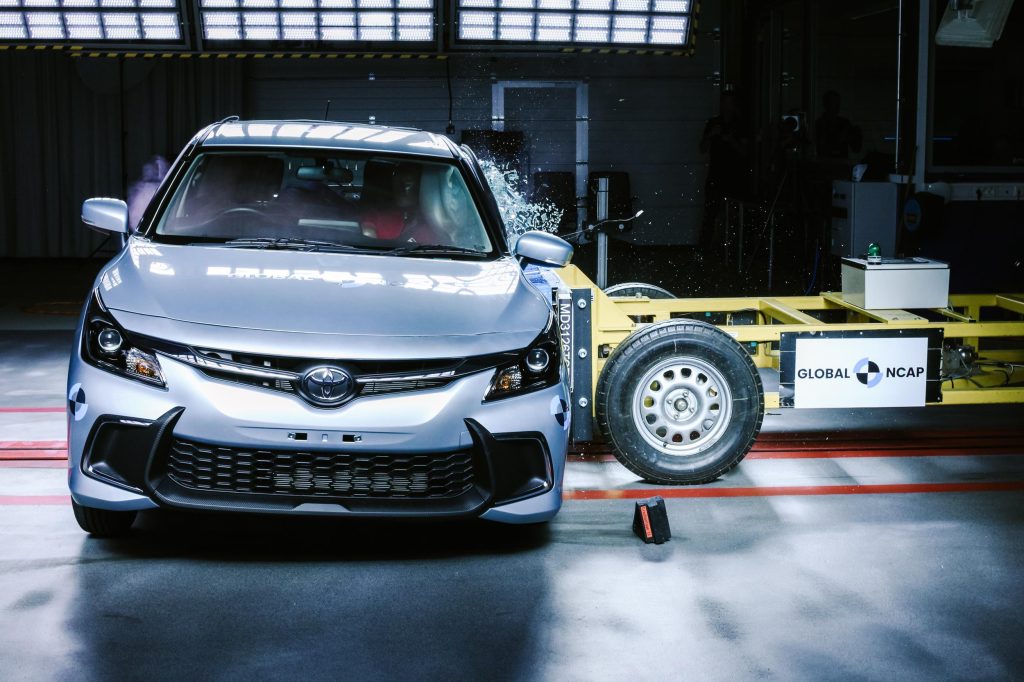
2. Toyota Starlet — 9.1/10
Price: From around R273,700
Fuel consumption: Around 5.4 L/100 km
Best buy: Starlet 1.5 XS manual
The Starlet is the car you buy when resale value is near the top of your list.
The current 1.5 Xi starts at R273,700, with the XS manual at R281,500. The automatic XS is officially just over R300,000 at some dealers, although dealer pricing varies and examples can be found below the R300k mark.
The Starlet uses a 1.5-litre petrol engine producing 77 kW and 138 Nm, with claimed fuel consumption around 5.4 L/100 km.
It is also a Toyota, and in South Africa that carries more weight than it probably should.
Toyota remains the country’s dominant automotive brand, with a massive dealer network and exceptionally strong demand in the used-car market. Independent local data consistently places Toyota among the strongest brands for residual value.
The Starlet isn’t particularly exciting inside and the entry-level Xi is not exactly overflowing with luxury equipment. But that misses the point.
This is a car designed to be easy to own, easy to service and easy to sell.
And in South Africa, those things matter.
Our score:
- Price/value: 1.8/2
- Resale: 2/2
- Economy: 1.8/2
- Style: 1.7/2
- Practicality/ownership: 1.8/2
Total: 9.1/10
Verdict: The conservative choice, but sometimes conservative is exactly what you want when R275,000 of your money is involved.
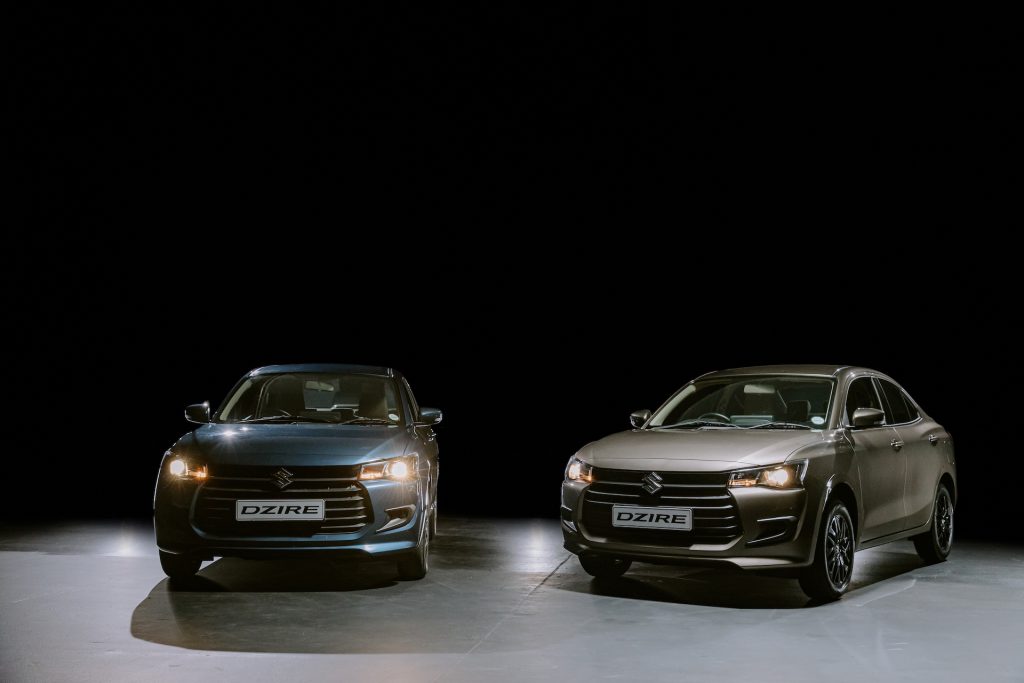
3. Suzuki Dzire — 8.9/10
Price: From R232,900
Fuel consumption: From 4.3 L/100 km
Best buy: Dzire GL+ CVT at R275,900
The Dzire is one of those cars that makes you wonder why we still buy larger cars simply because they look bigger.
Starting at R232,900, the new Dzire offers a 1.2-litre engine, with the GL+ manual costing R255,900 and the GL+ CVT R275,900. Suzuki quotes fuel consumption from just 4.3 L/100 km.
That makes it one of the most economical cars on this list.
The sedan body also gives it an advantage over the Swift if you regularly carry luggage. It is not glamorous, but it is genuinely practical.
And like the Swift, the Dzire benefits from Suzuki’s enormous local footprint and strong demand for affordable, economical cars.
The downside is that the Dzire doesn’t have quite the same visual appeal as the Swift. It is a sensible little sedan rather than a car you’ll necessarily turn around to look at after parking it.
But perhaps that is the point.
Our score:
- Price/value: 2/2
- Resale: 1.8/2
- Economy: 2/2
- Style: 1.4/2
- Practicality/ownership: 1.7/2
Total: 8.9/10
Verdict: Probably the smartest choice here for someone who does a lot of kilometres and wants low fuel bills without buying something that feels like a penalty box.
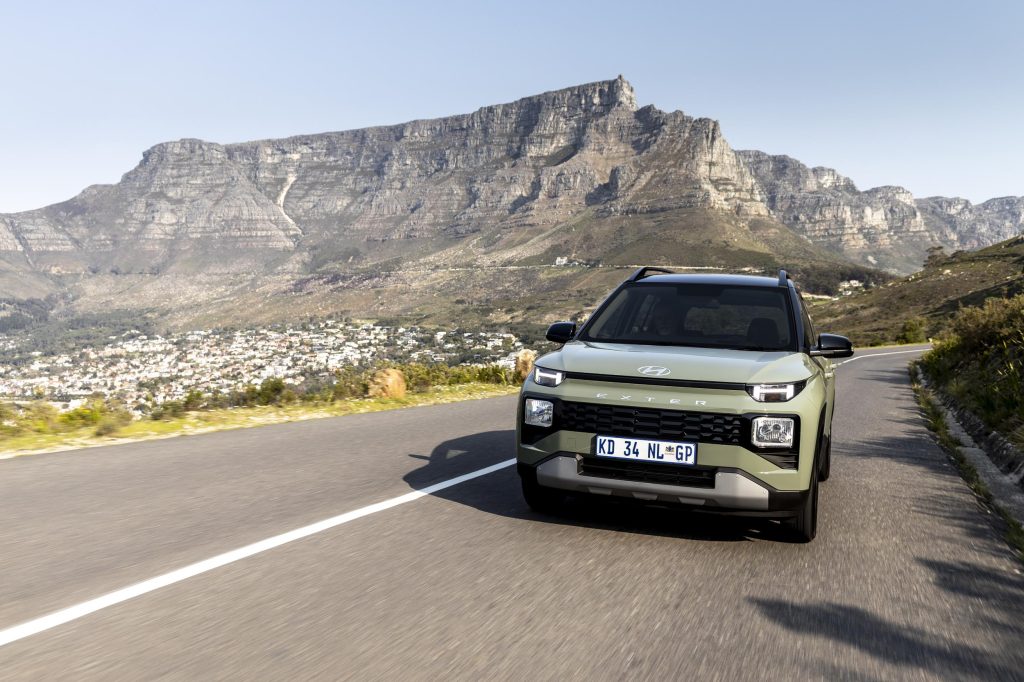
4. Hyundai Exter — 8.8/10
Price: From R269,900
Fuel consumption: From 5.7 L/100 km
Best buy: Exter 1.2 Premium MT
Here is where things start getting interesting.
The Hyundai Exter is one of the newest propositions in this price bracket and looks considerably more expensive than its R269,900 starting price suggests.
The 1.2-litre engine produces 61 kW and 114 Nm, while Hyundai claims fuel consumption of 5.7 L/100 km. The range includes a manual Premium at R269,900, while the Premium AMT is currently listed at R294,900.
It also has something many budget cars lack: presence.
The Exter looks like a small SUV rather than a cheap hatchback with some black plastic stuck to the wheel arches. That matters because buyers are increasingly moving towards crossover-style vehicles.
Hyundai also gives the Exter a strong ownership proposition, with the brand’s local dealer network and long warranty support.
The problem is resale.
There simply isn’t the same long-established residual-value history behind the Exter as there is with a Swift or Toyota. That doesn’t mean it will depreciate badly, but it means we can’t confidently award it the same resale score.
Our score:
- Price/value: 1.9/2
- Resale: 1.6/2
- Economy: 1.8/2
- Style: 1.9/2
- Practicality/ownership: 1.6/2
Total: 8.8/10
Verdict: Probably the best choice here if style and SUV looks matter almost as much as running costs.
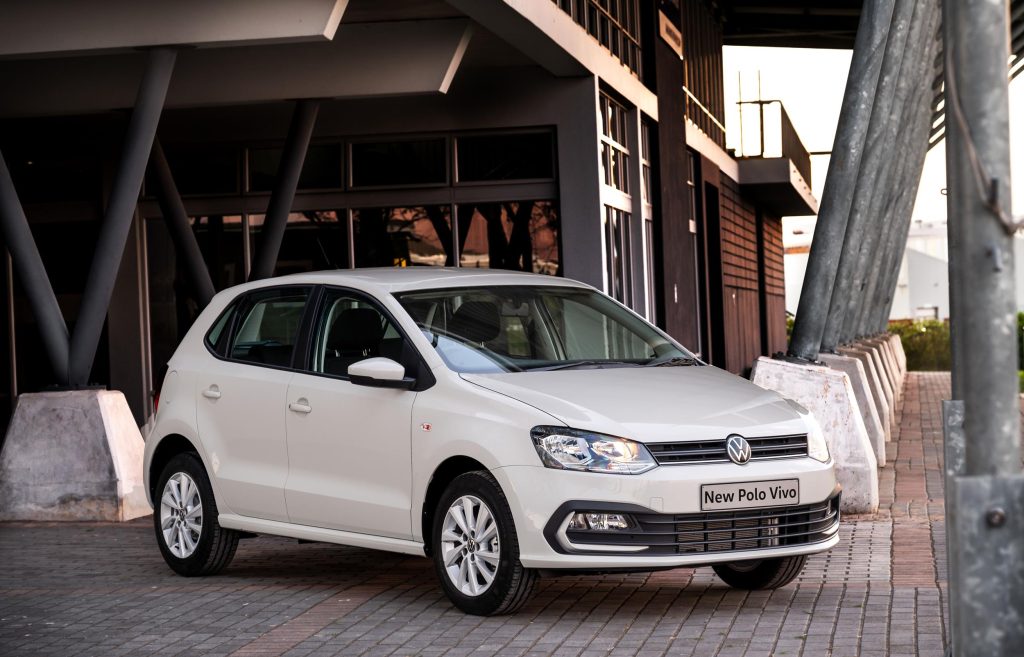
5. Volkswagen Polo Vivo — 8.7/10
Price: From R271,900
Best buy: Polo Vivo 1.4 Life at R294,500
There is a reason the Polo Vivo keeps appearing on lists like this.
It is popular because South Africans understand it.
The current Vivo starts at R271,900, while the 63 kW Life costs R294,500. The more desirable automatic and higher-spec versions move beyond the R300,000 ceiling.
And this isn’t simply a popular car because Volkswagen has a big badge.
The Polo Vivo was South Africa’s best-selling passenger car in the first quarter of 2026, while Volkswagen says the model has a four-star Global NCAP adult occupant protection rating. From April 2026, the Life derivative also gained a rear-view camera and parking distance control as standard.
Resale is another major advantage.
There are an enormous number of Vivos on South African roads, which means there is an established second-hand market for them.
The downside is that the Vivo is starting to show its age in some areas. Spend nearly R300,000 on one and you’re still buying a relatively old-school package compared with some of the newer Asian competitors.
Still, familiarity has value.
Our score:
- Price/value: 1.7/2
- Resale: 2/2
- Economy: 1.6/2
- Style: 1.7/2
- Practicality/ownership: 1.7/2
Total: 8.7/10
Verdict: Not the most exciting car here, but one of the safest bets if you care about resale and a well-established local support network.
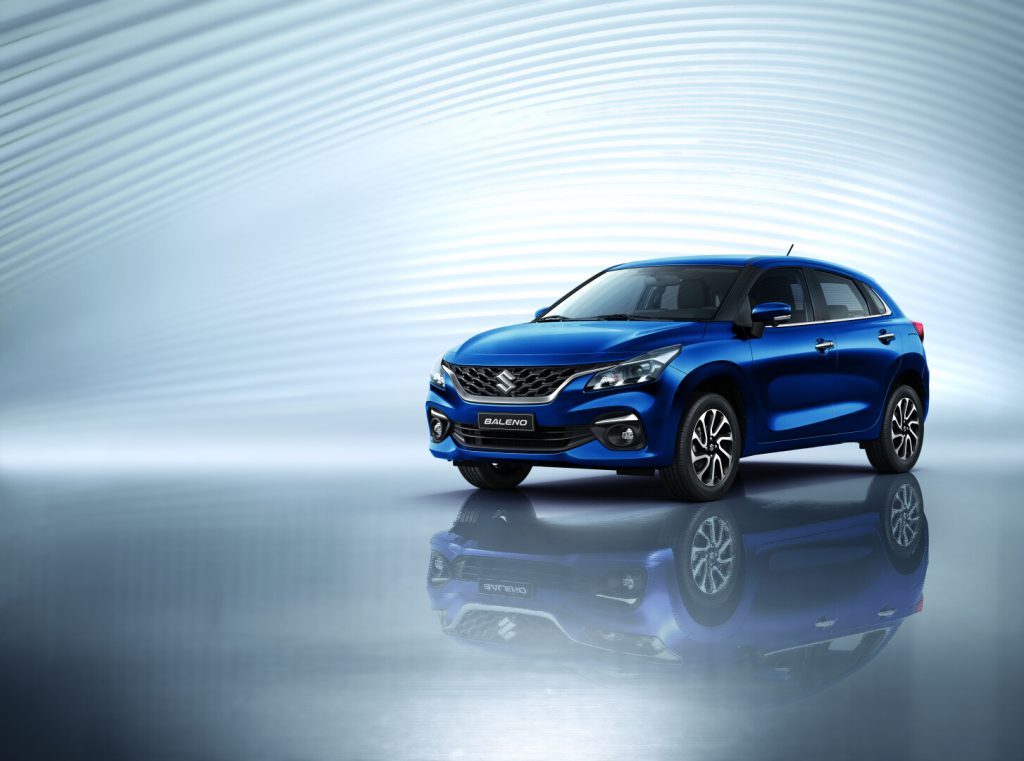
6. Suzuki Baleno — 8.6/10
Price: From R269,900
Fuel consumption: From 5.4 L/100 km
Best buy: Baleno 1.5 GL AT at R291,900
The Baleno is the car that tends to get overlooked because the Swift gets all the attention.
It shouldn’t.
At R269,900 for the manual and R291,900 for the automatic, the Baleno gives you considerably more space than the Swift while retaining Suzuki’s low running costs.
The 1.5-litre engine produces 77 kW and Suzuki quotes consumption from 5.4 L/100 km.
It also has a substantial boot and a more mature feel than the Swift.
The problem is that the Baleno isn’t as fashionable as the Swift, nor does it have the same level of demand. The GL versions also miss some of the equipment that makes the GLX particularly appealing — but unfortunately the GLX starts above our R300,000 limit.
Still, if you want a relatively large hatchback for your money, the Baleno makes a compelling argument.
Our score:
- Price/value: 1.8/2
- Resale: 1.7/2
- Economy: 1.8/2
- Style: 1.5/2
- Practicality/ownership: 1.8/2
Total: 8.6/10
Verdict: The overlooked Suzuki. More practical than a Swift and still cheap to run.
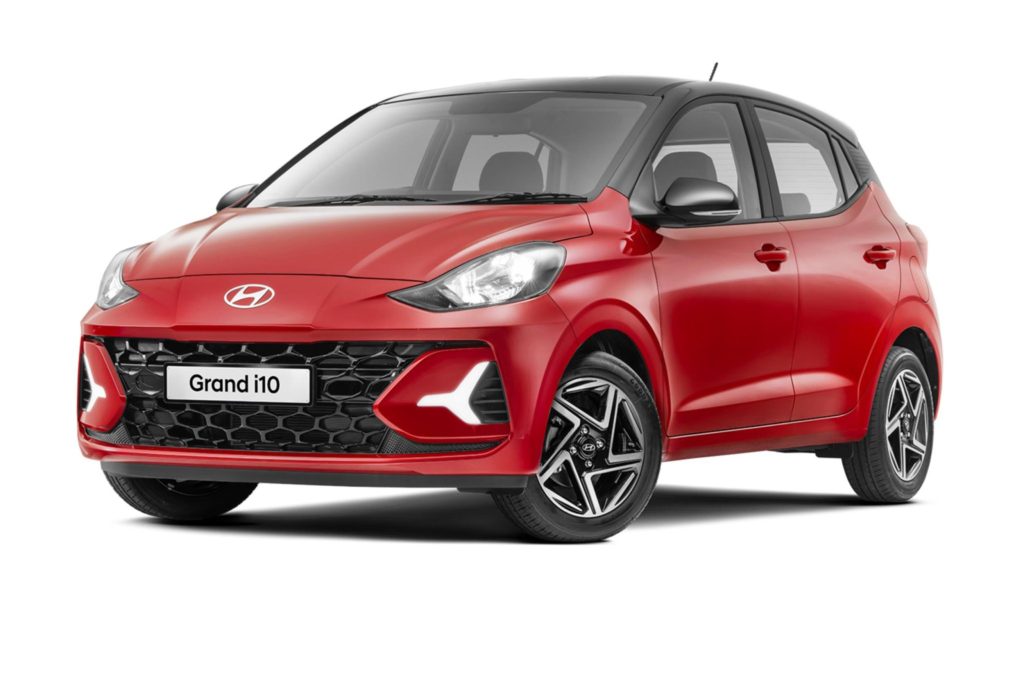
7. Hyundai Grand i10 — 8.5/10
Price: From R224,900
Fuel consumption: From 5.5 L/100 km
Best buy: Grand i10 1.2 Executive AT at R279,900
The Grand i10 remains one of the strongest arguments for not spending your entire budget.
The range starts at R224,900, while the 1.2 Executive automatic comes in at R279,900. Hyundai quotes 5.5 L/100 km for the 1.0-litre manual and similar economy for the 1.2-litre range.
The 1.2 produces 61 kW and 114 Nm, which makes it a more convincing option if you regularly venture beyond the city.
It is also a car that feels properly finished rather than simply inexpensive.
The Grand i10 doesn’t have the SUV styling of the Exter, nor the resale reputation of a Toyota, but it is difficult to fault as a basic everyday car.
And at R279,900 for the automatic, there is still enough change from R300,000 to pay for some fuel.
Our score:
- Price/value: 1.8/2
- Resale: 1.6/2
- Economy: 1.8/2
- Style: 1.5/2
- Practicality/ownership: 1.8/2
Total: 8.5/10
Verdict: A very sensible buy, particularly if you want an automatic without pushing beyond the R300k mark.
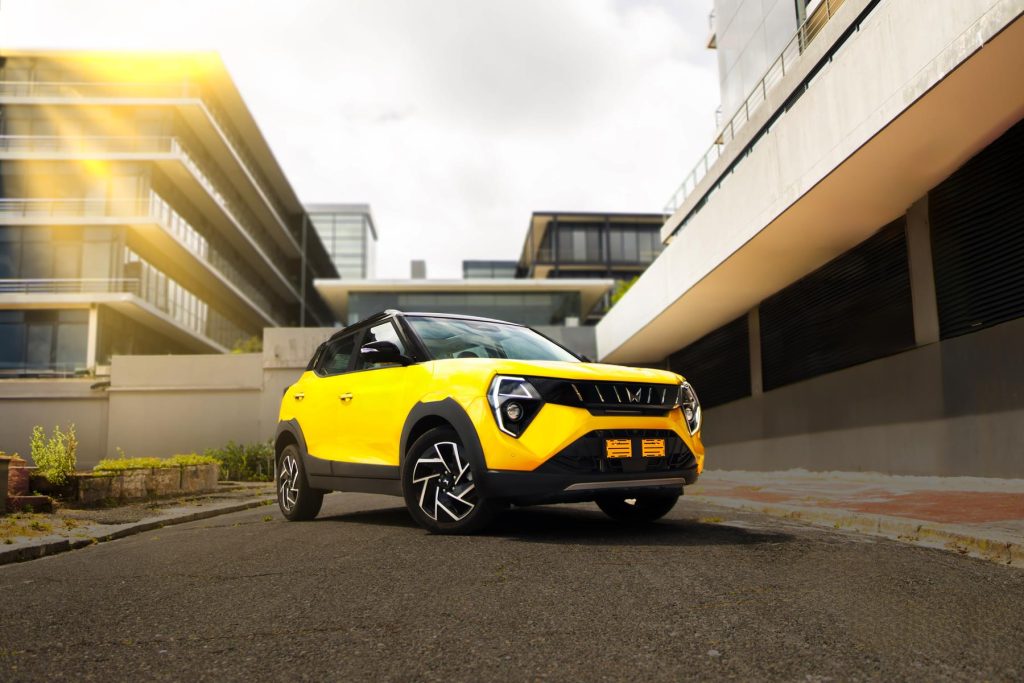
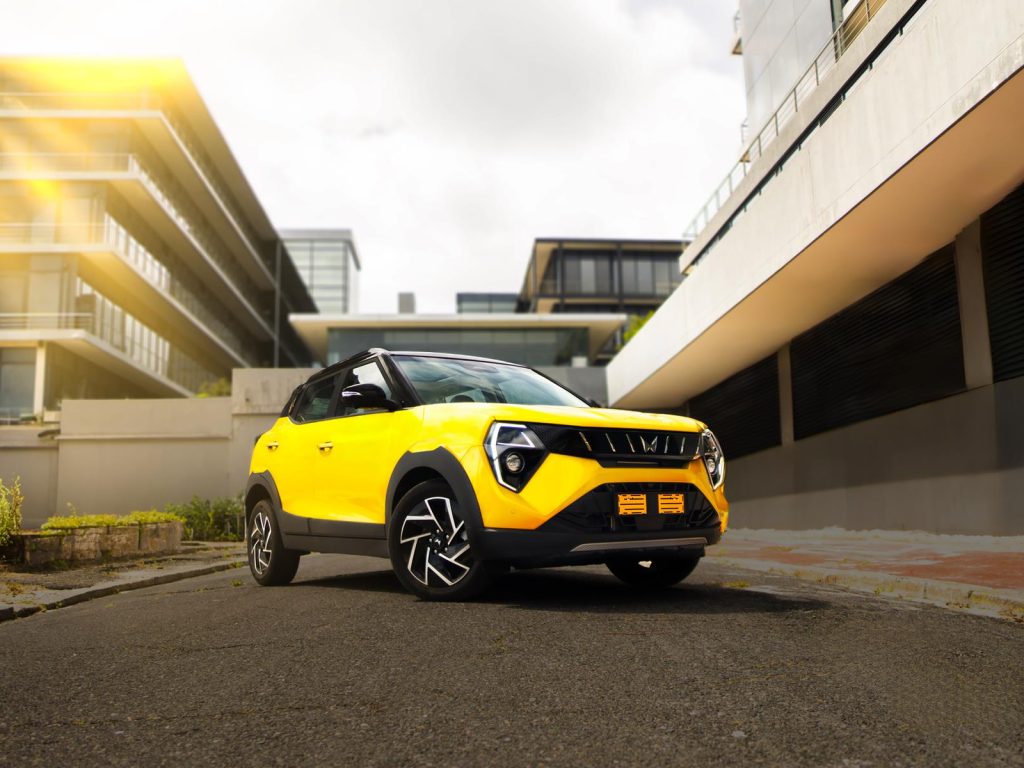
8. Mahindra XUV 3XO — 8.4/10
Price: From R259,999
Fuel consumption: Around 6.6 L/100 km
Best buy: XUV 3XO 1.2 MX2 MT
Now for the wildcard.
The Mahindra XUV 3XO is arguably the most car you can physically get for the money.
The entry-level MX2 manual costs R259,999 and uses a 1.2-litre turbocharged petrol engine producing 82 kW and a substantial 200 Nm. It comes with a six-speed manual gearbox.
That is considerably more power and torque than most of the naturally aspirated cars in this group.
It is also a proper compact SUV, giving buyers the raised driving position and chunky styling that have become so popular.
The problem is, once again, resale.
Mahindra has grown rapidly in South Africa and the brand’s sales increased strongly in 2025, but its used-car market is not yet as established as Suzuki, Toyota or Volkswagen.
That doesn’t make the 3XO a bad buy. Quite the opposite.
It simply means you’re taking a little more of a gamble on what the car will be worth when you eventually sell it.
Our score:
- Price/value: 2/2
- Resale: 1.3/2
- Economy: 1.5/2
- Style: 1.9/2
- Practicality/ownership: 1.7/2
Total: 8.4/10
Verdict: The performance and space bargain. If you want maximum car for your money and aren’t obsessed with resale, this deserves a test drive.
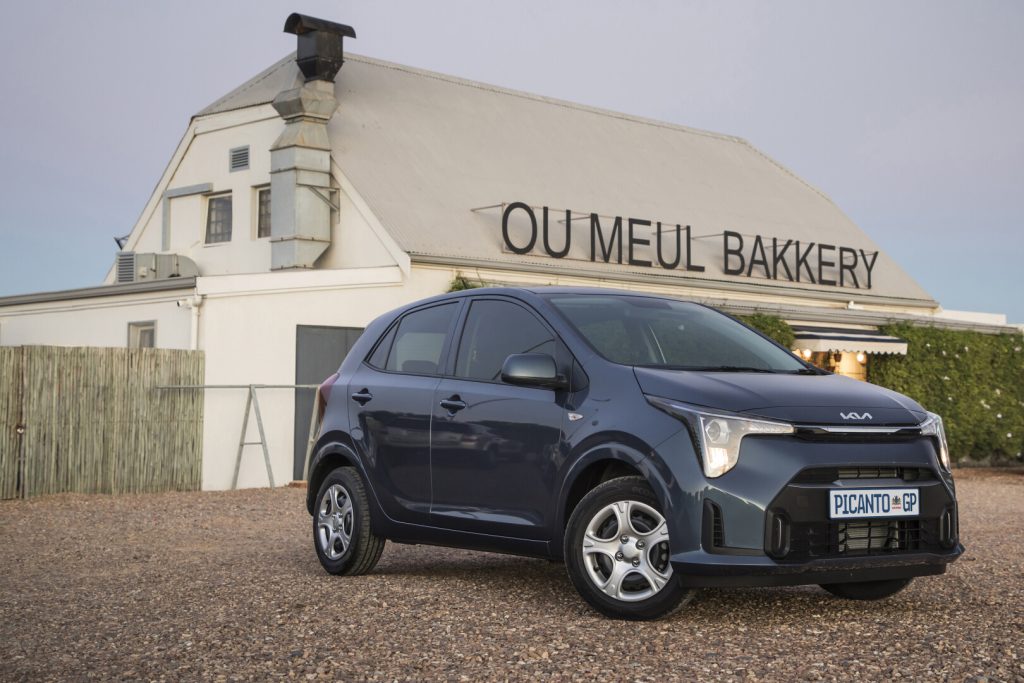
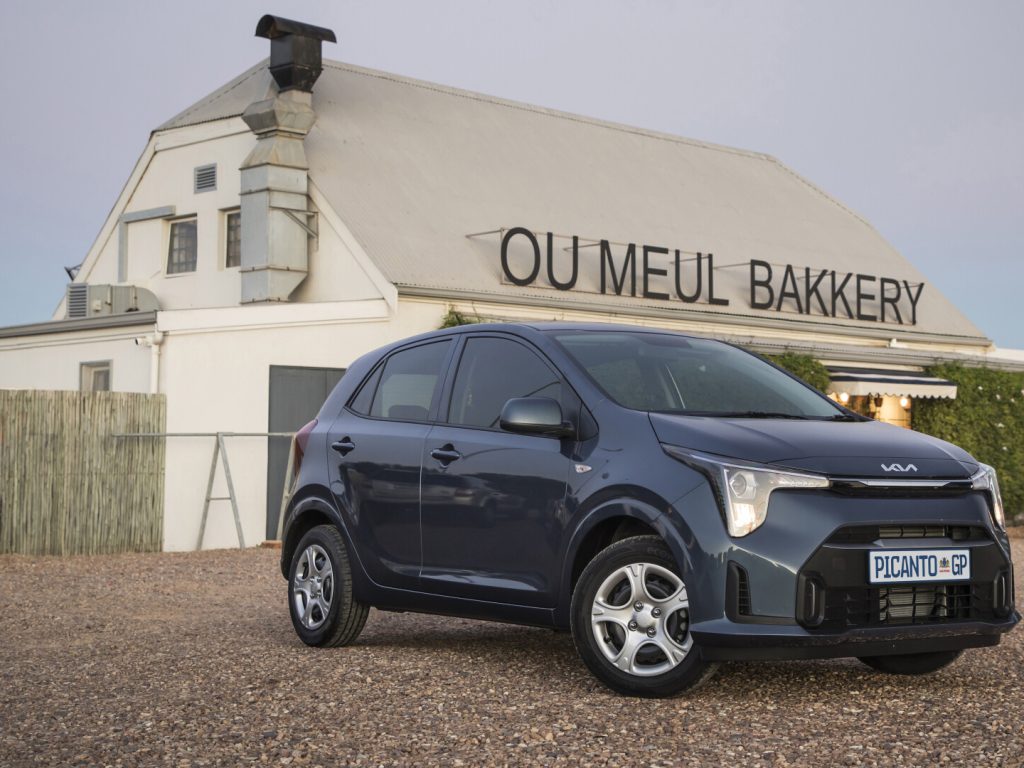
9. Kia Picanto — 8.2/10
Price: From R254,995
Best buy: Picanto 1.2 EX+ AT at R295,995
The Picanto has been around for long enough that it is easy to forget just how good these little cars are.
The current range includes the 1.0 AT LS at R256,995, the 1.2 EX manual at R254,995 and the 1.2 EX+ automatic at R295,995.
The appeal is obvious.
It’s small, easy to park, economical and backed by Kia’s strong warranty proposition.
The problem is that R295,995 is a lot of money for a very small car.
Yes, it is well equipped and easy to live with. But when you can buy a considerably larger Starlet, Baleno, Exter or XUV 3XO for similar money, the Picanto starts looking like a specialist choice rather than the obvious one.
Our score:
- Price/value: 1.5/2
- Resale: 1.7/2
- Economy: 1.8/2
- Style: 1.6/2
- Practicality/ownership: 1.6/2
Total: 8.2/10
Verdict: Excellent urban transport, but increasingly difficult to justify when bigger cars are available for similar money.
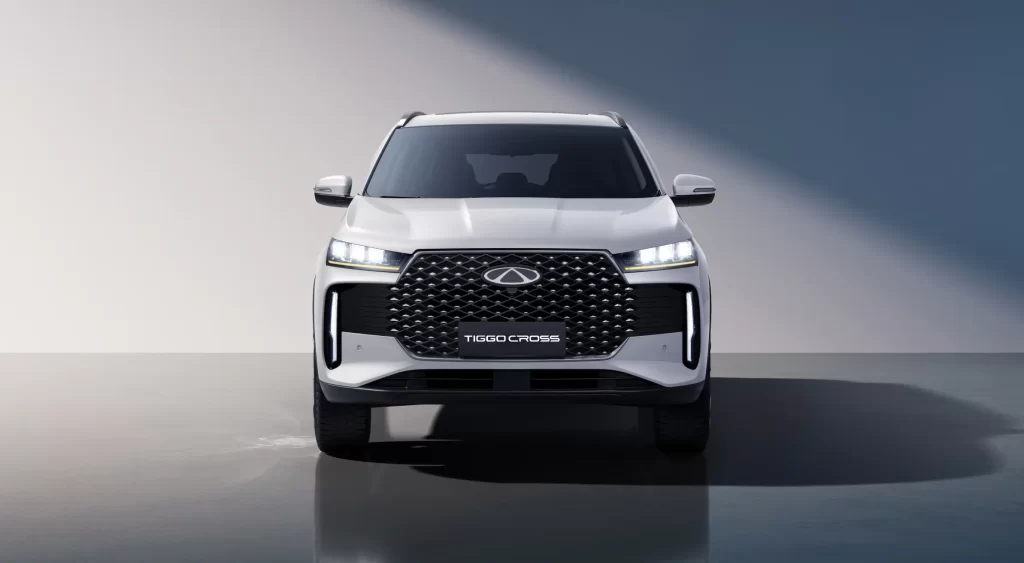
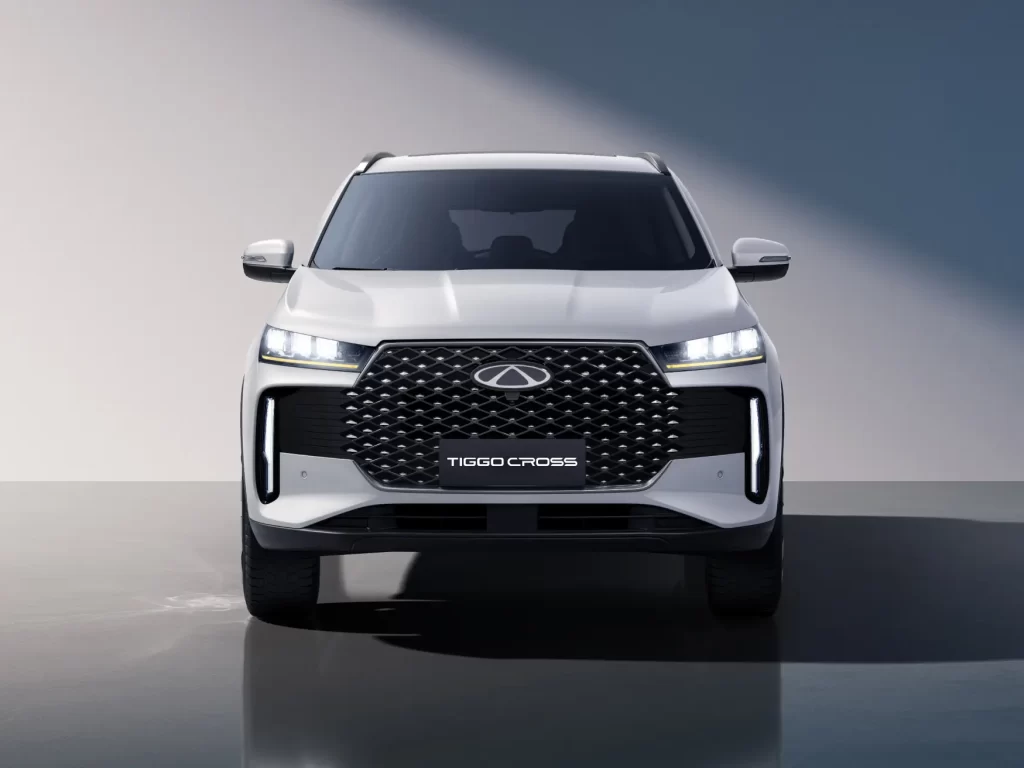
10. Chery Tiggo 4 Cross — 8.1/10
Price: R279,900
Best buy: Tiggo 4 Cross LiT MT
If style and equipment are high on your list, the Tiggo 4 Cross is probably the most interesting car here.
The entry-level LiT manual costs R279,900, making it one of the few genuine compact SUVs under R300,000.
The 1.5-litre naturally aspirated engine produces 83 kW and 170 Nm, with claimed consumption of 7.0 L/100 km. The specification includes a surprising amount of safety and electronic equipment for the money.
It also looks considerably more expensive than it is.
And that is increasingly one of Chery’s biggest strengths in South Africa.
The brand has established itself as a serious player rather than an obscure newcomer, while 2025 industry data showed the Tiggo 4 Pro performing strongly in residual-value terms compared with several established compact crossovers.
However, the Tiggo 4 Cross is still the sort of car I would buy with my head switched on.
The long-term resale history simply isn’t as proven as a Toyota or Suzuki, and its fuel consumption isn’t particularly impressive compared with the smaller Japanese cars.
But if you want SUV looks, space and equipment for under R300,000, this is difficult to ignore.
Our score:
- Price/value: 1.8/2
- Resale: 1.4/2
- Economy: 1.3/2
- Style: 2/2
- Practicality/ownership: 1.6/2
Total: 8.1/10
Verdict: The style and equipment champion. It makes the established brands look rather stingy with specification.
So, which one should you actually buy?
If this were my R300,000, I wouldn’t simply walk into a dealership and buy whichever car has the biggest touchscreen.
The Suzuki Swift is the best overall buy.
It combines a sensible purchase price, excellent fuel economy, proven local demand, strong resale prospects and enough style to stop it feeling like a purely financial decision.
The Toyota Starlet would be my choice if resale value and long-term ownership confidence were the priority.
The Suzuki Dzire makes the most sense for someone who drives a lot and wants exceptionally low fuel consumption.
The Hyundai Exter is the one I’d choose if I wanted something that looks more like an SUV without blowing the budget.
And if maximum space, power and specification are more important than resale, the Mahindra XUV 3XO deserves serious consideration.
Then there is the Chery Tiggo 4 Cross, which demonstrates just how quickly the South African budget-car market is changing. A decade ago, getting a compact SUV with this sort of equipment for R280,000 would have been difficult to imagine.
The bigger picture
Perhaps the most interesting thing about this list isn’t which car comes first.
It’s how competitive the market has become.
Suzuki’s dominance of the affordable market is no accident. Lightstone data has previously shown that South Africans buying vehicles under R300,000 have heavily favoured Indian-built products, with Suzuki accounting for a huge share of that segment.
But Toyota, Hyundai, Volkswagen, Kia, Mahindra and Chery are all fighting for the same buyer.
And that is good news.
Because R300,000 is still a substantial amount of money. Buyers shouldn’t have to settle for something merely because it is cheap.
The best cars in this price bracket now offer decent safety, respectable economy, useful technology, proper warranties and, importantly, enough character to make you want to drive them.
Our overall ranking:
| Rank | Car | Price from | Score |
|---|---|---|---|
| 1 | Suzuki Swift | R228,900 | 9.4/10 |
| 2 | Toyota Starlet | R273,700 | 9.1/10 |
| 3 | Suzuki Dzire | R232,900 | 8.9/10 |
| 4 | Hyundai Exter | R269,900 | 8.8/10 |
| 5 | Volkswagen Polo Vivo | R271,900 | 8.7/10 |
| 6 | Suzuki Baleno | R269,900 | 8.6/10 |
| 7 | Hyundai Grand i10 | R224,900 | 8.5/10 |
| 8 | Mahindra XUV 3XO | R259,999 | 8.4/10 |
| 9 | Kia Picanto | R254,995 | 8.2/10 |
| 10 | Chery Tiggo 4 Cross | R279,900 | 8.1/10 |
Prices are South African advertised prices checked in September 2026 and can vary by dealer, promotion and specification. Resale scores are editorial assessments based on current market demand, brand strength and available residual-value evidence rather than guaranteed future values.