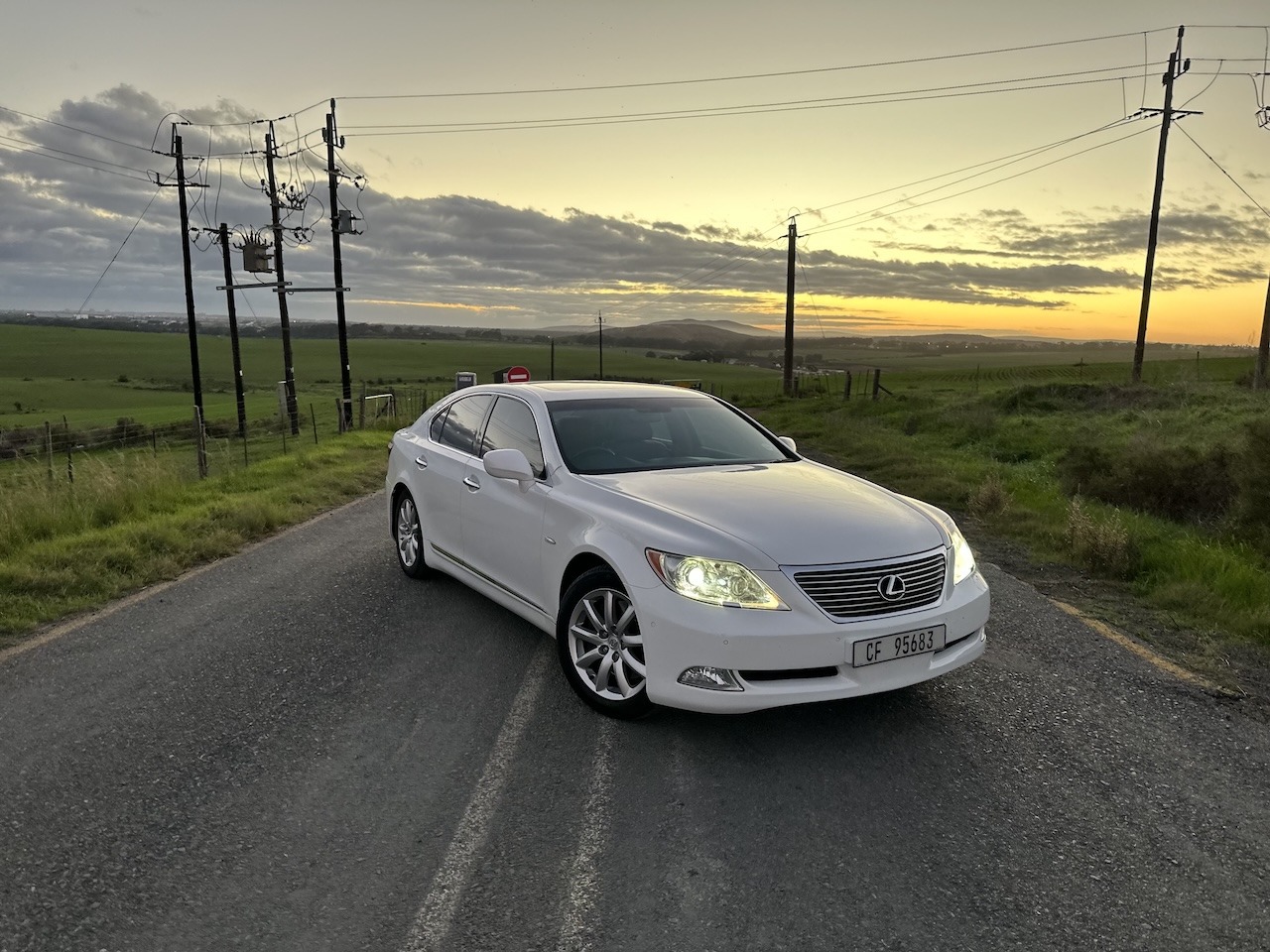

A very brief overview and ownership of a 2007 Lexus LS460
When the LS460 launched in 2007, it was praised for its modern design and incredible comfort. Being Lexus’s flagship model, the LS had some impressive engine tech. The engine itself is a technical marvel, and I could write an article just on the engine, but that would be incredibly boring. The very sophisticated powerplant was paired to a Lexus first — an 8-speed automatic, which at the time had never before been seen in a passenger car. The LS also had all the luxury features you’d have expected, including heated and cooled seats, soft-close doors, and, in 2007, it could even park itself — mostly.
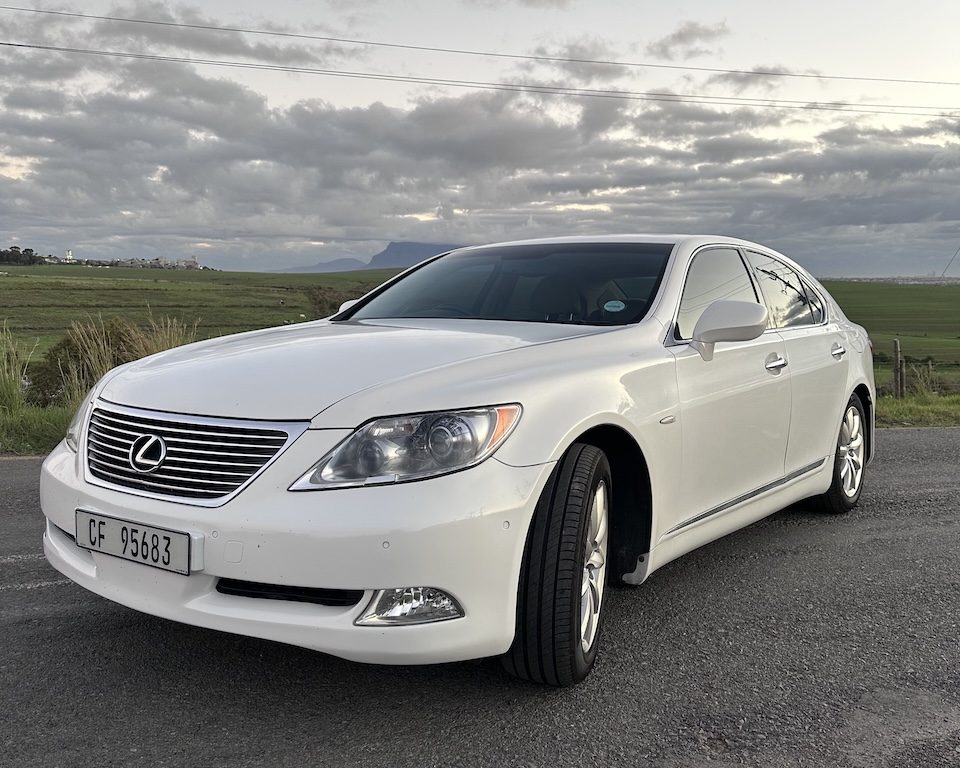
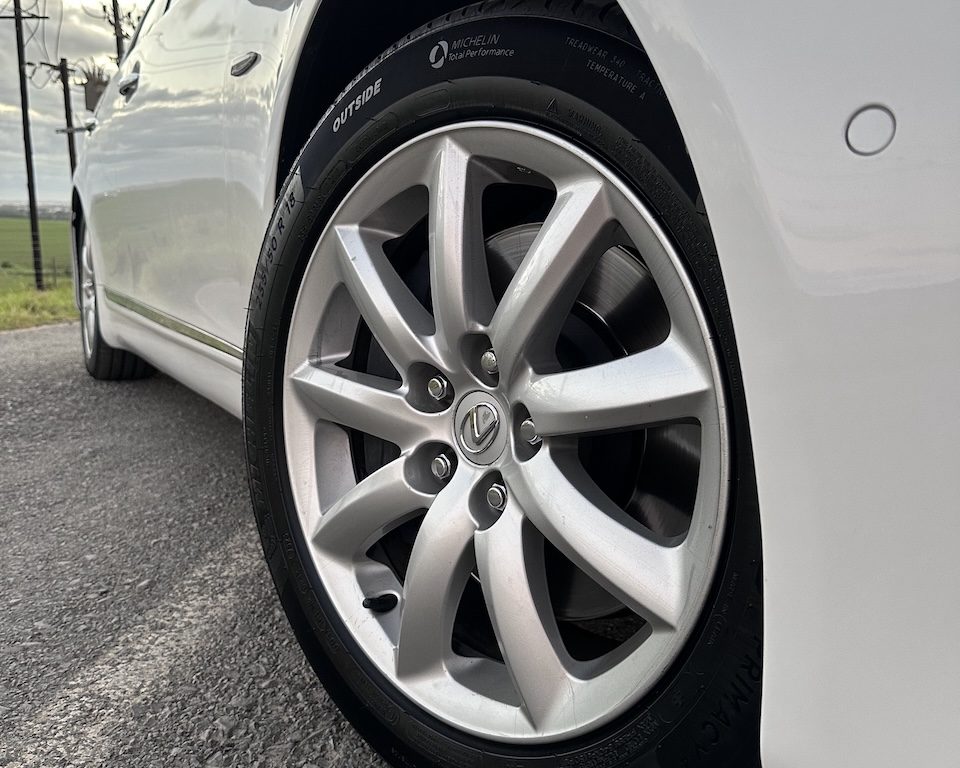
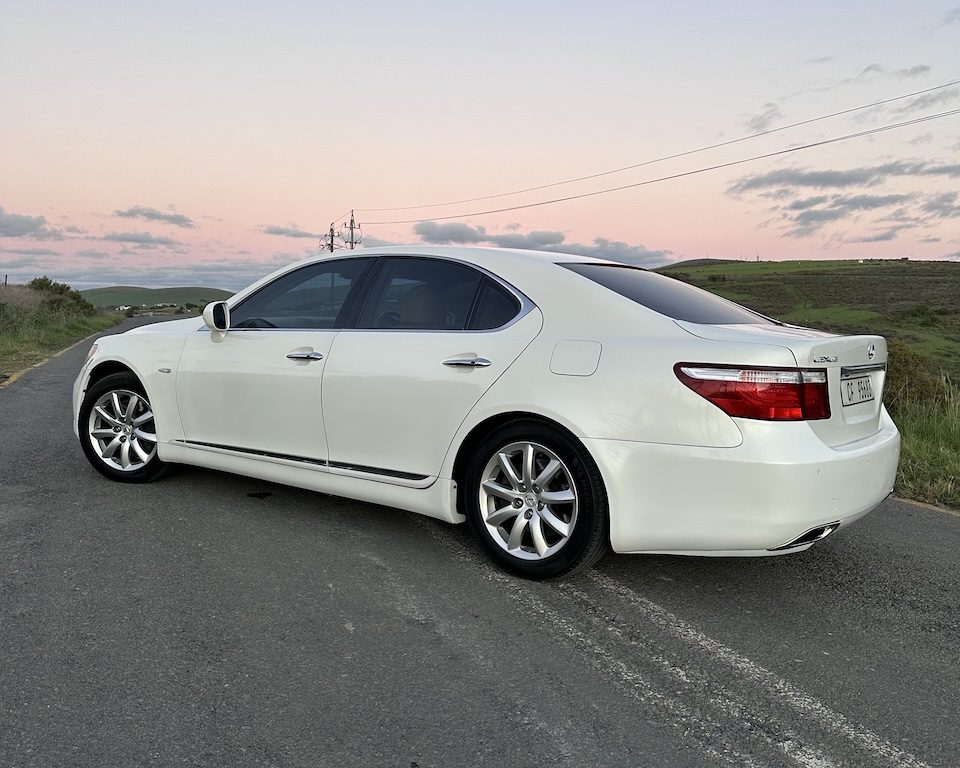
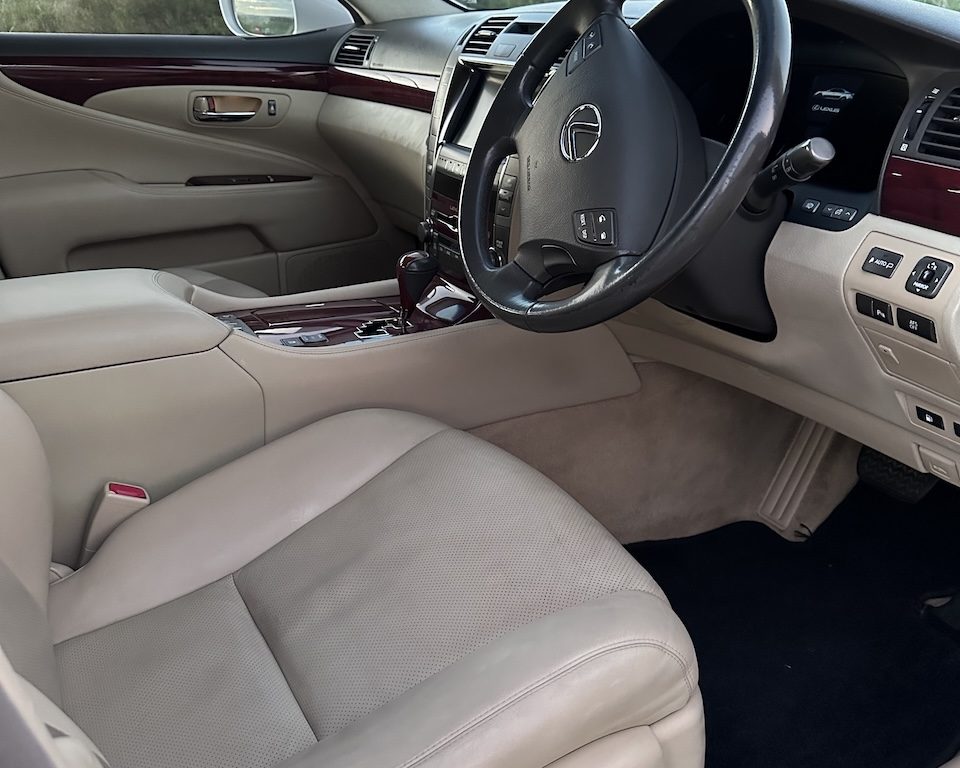
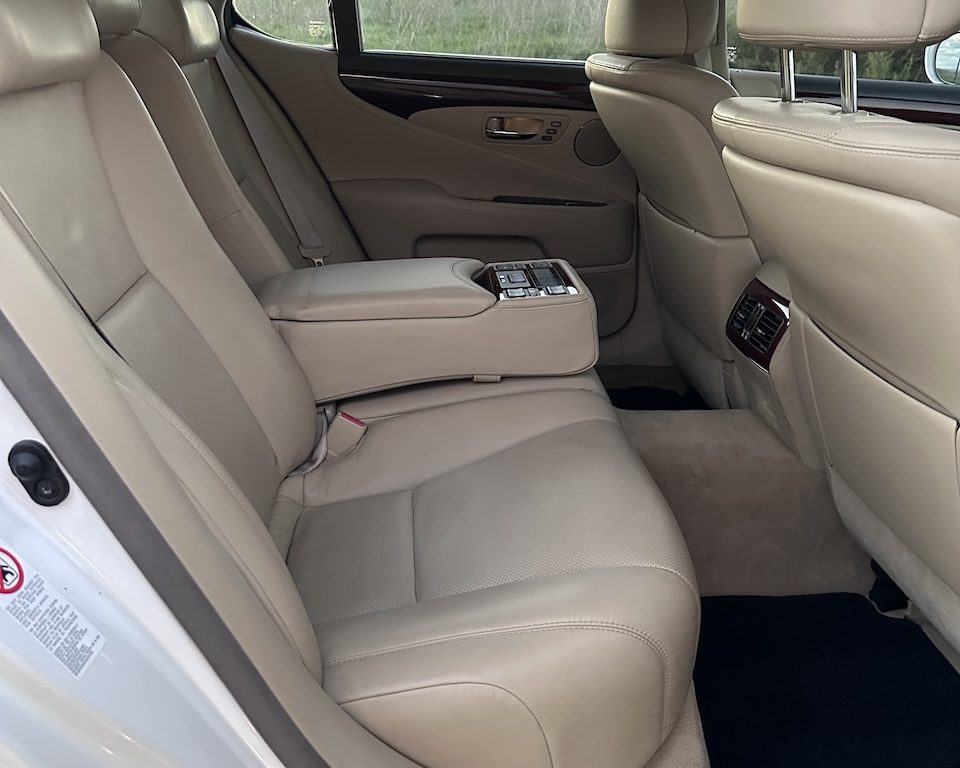
The interior has some impressive attention to detail — hand-picked wood, suede roof lining and even a Mark Levinson sound system. Unfortunately, however, the interior hasn’t aged well — it’s a festoon of 2000s wood, leather and grey buttons. In its defence, spend some time driving it and you very quickly stop caring about its dated tech, as it’s a stunningly comfortable place to be. The cabin is extremely quiet thanks to some double-glazed glass, and although my 2007 predated the air suspension model, the ride is still sublime.
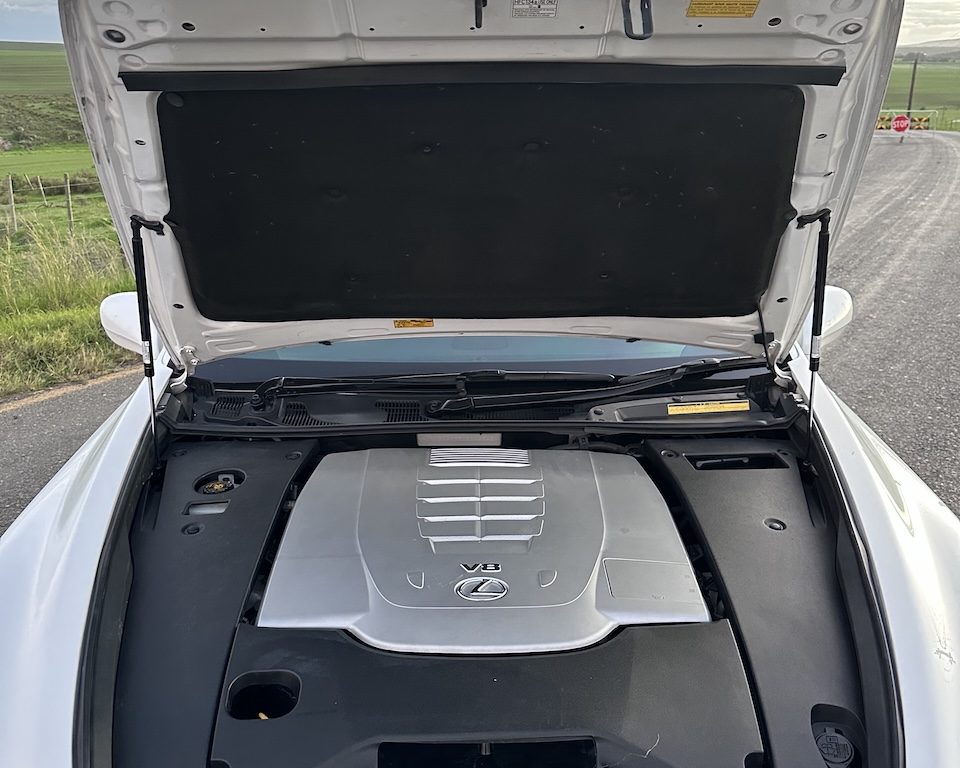
The LS is surprisingly good in the corners too, considering its weight and sheer enormity. At over 5m long and nearly 2m wide, it’s not what you’d call small. More Mike Tyson than Manny Pacquiao. Luckily, the engine is a heavy hitter too. The V8 would rev all the way to 7,000rpm and still remain silky smooth. Packing a 284kW punch, the LS is proper fast too. The LS could hit 100km/h in only 5.7sec and keep accelerating to an electronically limited top speed of 250km/h. However, the most impressive part of the LS is its ability to “cruise” — at 130km/h, the Lexus sits at 1,700rpm in complete silence. Need to overtake something? The LS would drop 4 gears and the speedo will climb with some vigour, yet remain dead calm inside.
Few cars have the ability to just soak up the miles quite like the LS does. As you would expect, it isn’t very frugal when it comes to the pumps — if you’re in a hurry, expect 12–14L/100km on the open road, and city driving is even heavier… a lot heavier.
Because the LS was produced by Lexus, which, as we all know is owned by Toyota which is the most reliable thing in the world, you’d expect the LS to be over-engineered and last forever.
Well…. You’d be wrong!
I’m pretty sure when I say this: the LS460 is the most unreliable Japanese product ever made! Here are just a few issues you can expect — ABS pump failure (this is the big one; Lexus quotes R75k to replace), front control arms wear faster than a pair of Temu undies (and there are 8 control arms in the front), plastic cooling pipes throughout the engine. And then there’s working on it. Everything is very compact and difficult to get to. Everything is bespoke to the LS too. For example, the front wheel bearings are R9.5k each. Trust me, I know.
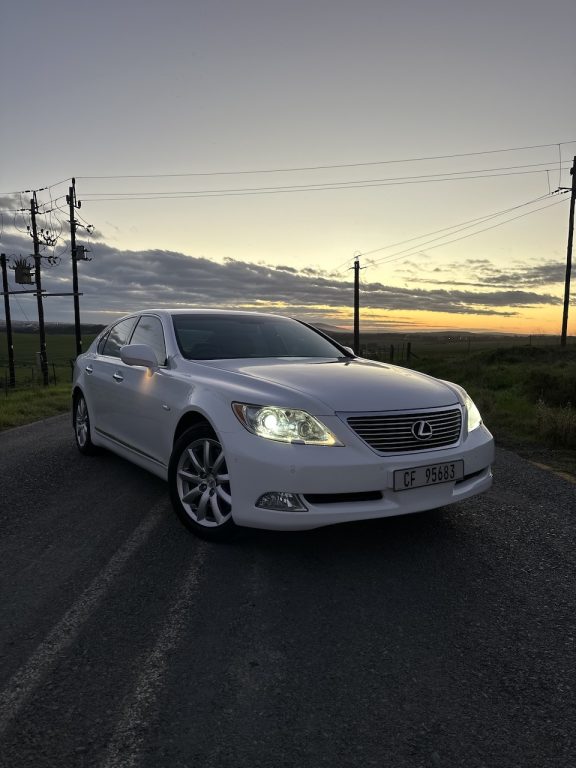
However, I think calling it unreliable is probably cruel, maybe a little venting from my side. It should be expensive to maintain. This was once a R1.2 million car, and you’d have expected it to be bespoke and not share all its components with a Camry.
Conclusion
Something true of any luxury car that’s 20 years old : just because it’s the same price as that of a 5-year-old Polo doesn’t mean it’s going to cost the same to own.
Buy one again?
Yes! Because I’m not rational.
Despite the cost of my experience, I really enjoyed the LS. And compared to its German counterparts, it’s probably quite reliable.
The LS is a masterclass in Japanese luxury and performance. To own, it’s about as trouble-free as a French Bulldog.